Self Rising Vs Regular Flour

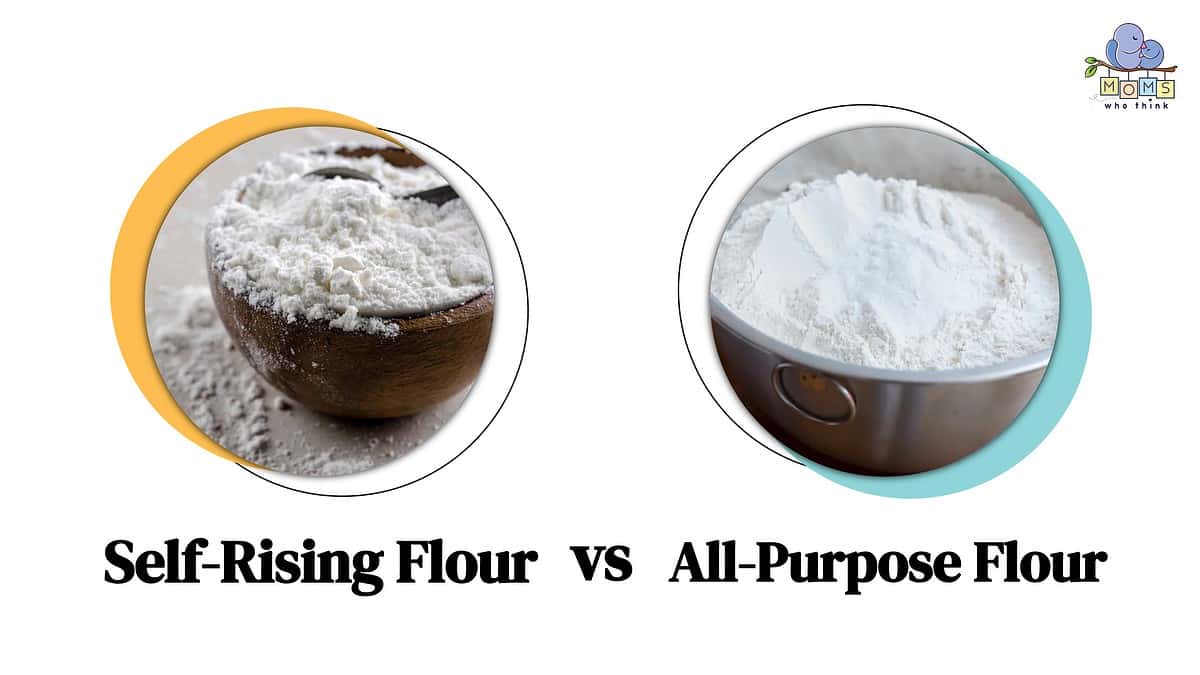
Hey there, fellow bakers! Let's talk about the age-old debate: self-rising flour vs regular flour. I mean, what's the big deal, right? Flour is flour, right? Wrong! As it turn...
Hey there, fellow bakers! Let's talk about the age-old debate: self-rising flour vs regular flour. I mean, what's the big deal, right? Flour is flour, right? Wrong! As it turns out, these two types of flour are like two different personalities - one's a bit of a diva, and the other's a total team player.
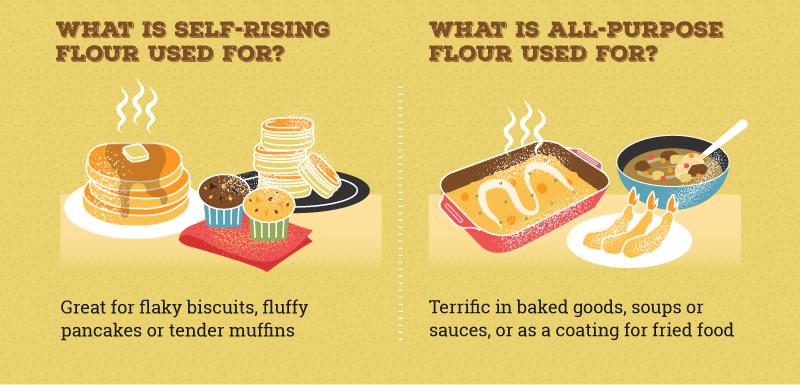
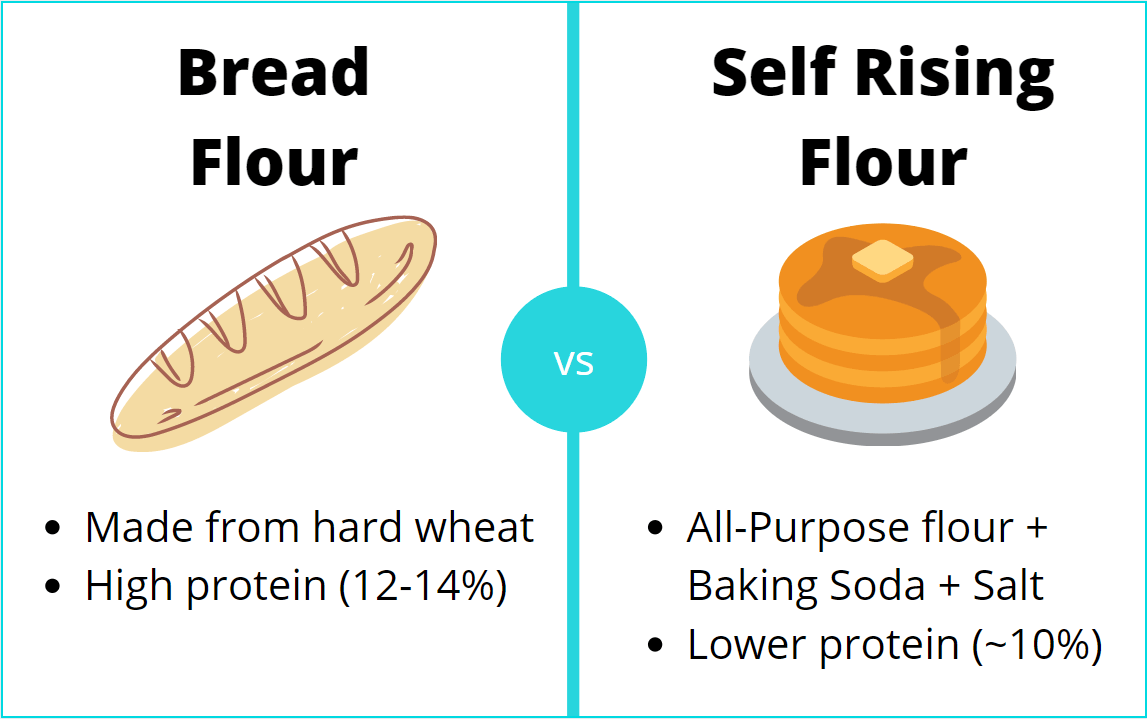
Self-rising flour is like the diva - it's got its own built-in leavening agents, like baking powder, which makes it perfect for certain recipes, like biscuits or pancakes. But, let's be real, it can be a bit high-maintenance - you've got to use it quickly, or it'll lose its oomph. On the other hand, regular flour is like the team player - it's versatile, reliable, and can be used in a ton of different recipes. Plus, it's usually cheaper than self-rising flour, so that's a win!
Now, I know what you're thinking - what about the recipes? Can I just use self-rising flour in any old recipe? Well, not exactly - self-rising flour is best used in recipes that don't require a lot of leavening, like cakes or cookies. And if you're using regular flour, you'll need to add your own leavening agents, like baking powder or baking soda. But don't worry, it's not rocket science - just follow the recipe, and you'll be golden!
In conclusion, whether you're a self-rising flour fanatic or a regular flour devotee, the most important thing is to have fun with it! Baking is all about experimentation and creativity, so don't be afraid to try new things and make mistakes. And remember, at the end of the day, it's just flour - it's not worth getting your knickers in a twist over. Happy baking, friends!