What Seasoning Can Dogs Have

As a dog owner, have you ever found yourself laughing at your furry friend's antics while cooking dinner, only to wonder what seasonings are safe for them to have? It's a comm...

As a dog owner, have you ever found yourself laughing at your furry friend's antics while cooking dinner, only to wonder what seasonings are safe for them to have? It's a common conundrum, and the answer is more complicated than a simple yes or no. For instance, while a sprinkle of paprika might add a nice smokiness to your deviled eggs, it's essential to know that it's not toxic to dogs, but consumed in excess, it can cause stomach upset.
Let's start with the basics: dogs have a unique physiology, and their digestive system is designed to process animal-based foods, not the complex concoctions we humans love to whip up. So, when it comes to seasoning, it's crucial to stick to dog-friendly options. A doggie delight like peanut butter or pumpkin can be a great addition to their meal, but always check with your vet first.
The Not-So-Nice List
Unfortunately, some seasonings are downright dangerous for our canine companions. The big no-nos include onions, garlic, chives, and leeks – all part of the Allium family – which can cause anemia and even organ damage if ingested. Imagine your poor pup's face if they got a hold of your famous beef stew recipe, loaded with caramelized onions – it's a scary thought!
Other seasonings to avoid include grapes and raisins, which can lead to kidney failure, and macadamia nuts, which can cause weakness, depression, and tremors in dogs. It's like they say: "an ounce of prevention is worth a pound of cure" – keep those tasty but toxic treats out of reach, just like you would medication or cleaning supplies.
 What Spices Can Dogs Have? A Comprehensive Guide to Dog-Safe Seasonings
Paws-itive Seasoning Options
Now that we've covered the not-so-nice list, let's focus on the yummy and safe seasonings your pup can enjoy. Turmeric, with its incredible anti-inflammatory properties, is a great addition to your dog's meal, and can even help with arthritis and skin issues. You can also try coconut oil, which supports digestive health and can leave their coat looking shiny and healthy.
When it comes to herbs, choices like parsley, basil, and dill are all safe for dogs to consume in moderation. Just be sure to use the fresh or dried versions, as essential oils can be too potent for their sensitive noses. It's all about balance and using your best judgment – after all, you know your furry friend best!
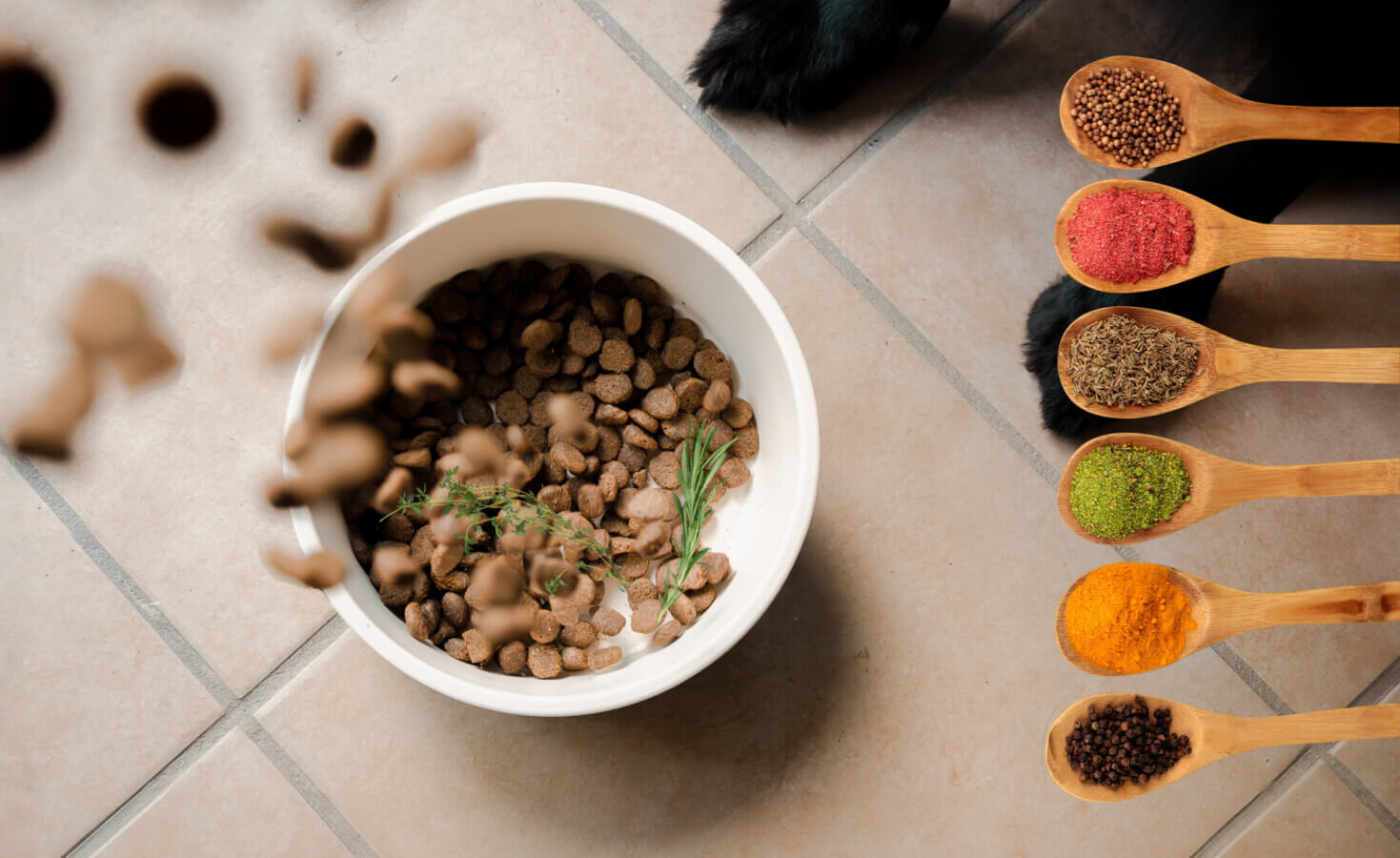 What Seasonings Can Dogs Have? Safe Spices, Herbs, and Flavorings to
As a dog owner, it's your job to be the gatekeeper of your pup's diet, ensuring they only get the best, safest ingredients. By being mindful of the seasonings you use and keeping harmful substances out of reach, you can help your dog live a long, happy, and healthy life. So next time you're whipping up a storm in the kitchen, remember: your furry friend is counting on you to make paws-itive choices!
In conclusion, while it may seem like a minefield out there, navigating the world of dog-friendly seasonings is easier than you think. By doing your research, talking to your vet, and using your common sense, you can create a tail-wagging menu that's both delicious and safe for your pup. Happy cooking, and remember to always keep those tasty treats out of reach – your furry friend will thank you!

