What Do Gnats Do To Food

So, you're sitting at home, enjoying a delicious snack, when suddenly you're under attack by a swarm of tiny, flying monsters - gnats! These pesky little creatures seem to app...
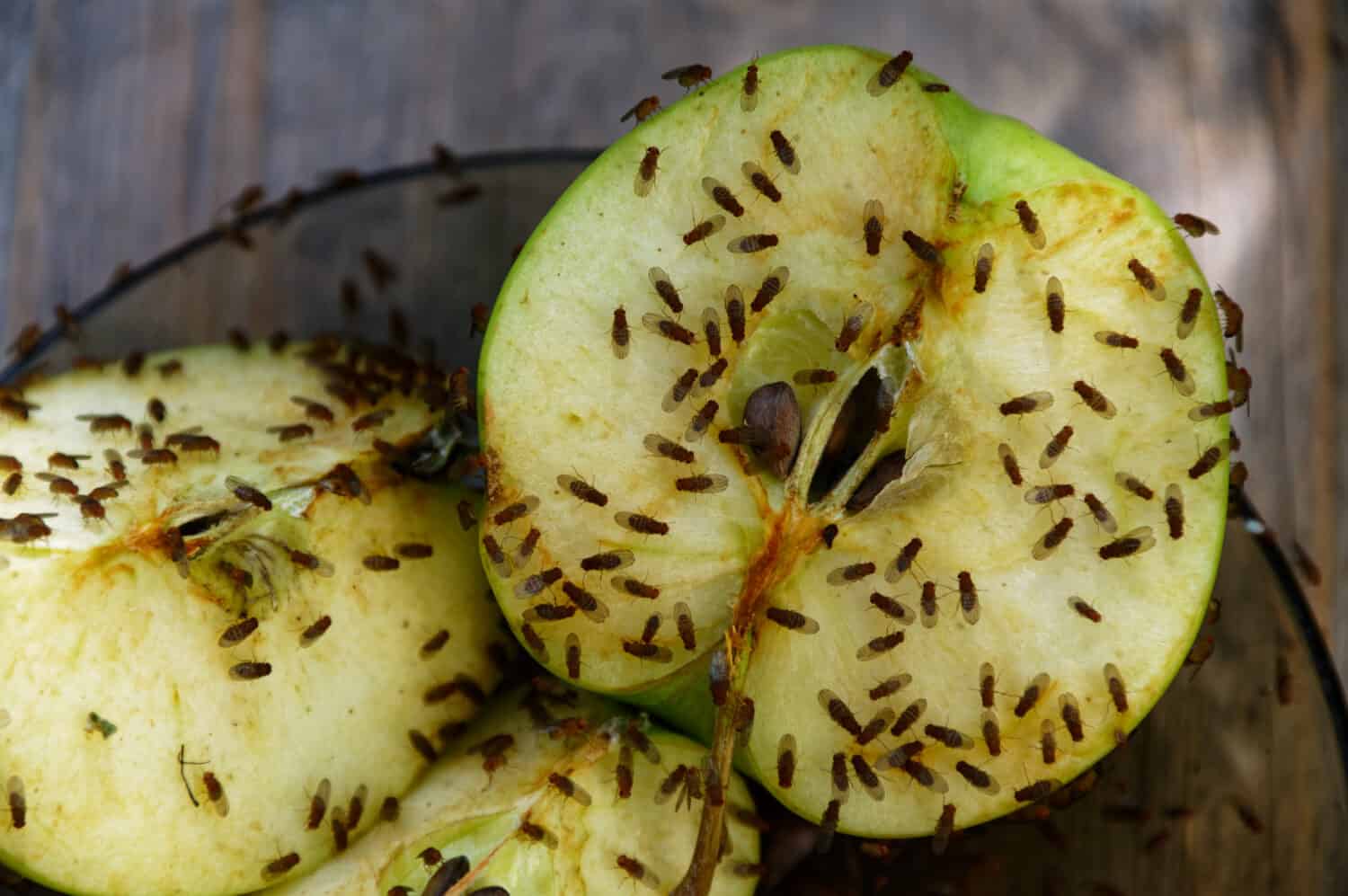
So, you're sitting at home, enjoying a delicious snack, when suddenly you're under attack by a swarm of tiny, flying monsters - gnats! These pesky little creatures seem to appear out of nowhere, and their sole mission is to ruin your food and your day. But have you ever wondered, what do gnats actually do to food?
Well, let's start with the basics: gnats are attracted to moisture, which is why they love to hang out near overripe fruit, vegetables, and other damp foods. They can smell the sweetness and the moisture from afar, and before you know it, they're dive-bombing your snack like it's a gnat paradise. And once they land, they start to feed on the sugars and other nutrients, leaving behind their nasty little eggs and larvae.
The Gnat Life Cycle
But here's the thing: gnats don't just stop at feeding on your food - they also use it as a breeding ground for their young. The female gnat lays her eggs on the surface of the food, and within 24-48 hours, they hatch into larvae, which then feed on the food and grow into adult gnats. It's like a never-ending gnat party, and you're the unwilling host!
Now, you might be wondering, what kind of damage can these tiny creatures actually do to your food? Well, let's just say that gnats are like the special forces of the insect world - they can cause a lot of harm in a very short amount of time. They can contaminate your food with their saliva and excrement, which can lead to the growth of mold and bacteria. And if you're really unlucky, they might even transmit diseases like salmonella or E. coli - yikes!
But don't worry, there are ways to outsmart these pesky little creatures and keep them from ruining your snacks. For starters, you can try storing your food in airtight containers or ziplock bags, which will prevent the gnats from getting to them in the first place. You can also try covering your food with plastic wrap or aluminum foil, which will prevent the gnats from landing on it. And if you're feeling really adventurous, you can even try using essential oils like citronella or lemon grass to repel the gnats - it's like a gnat force field!
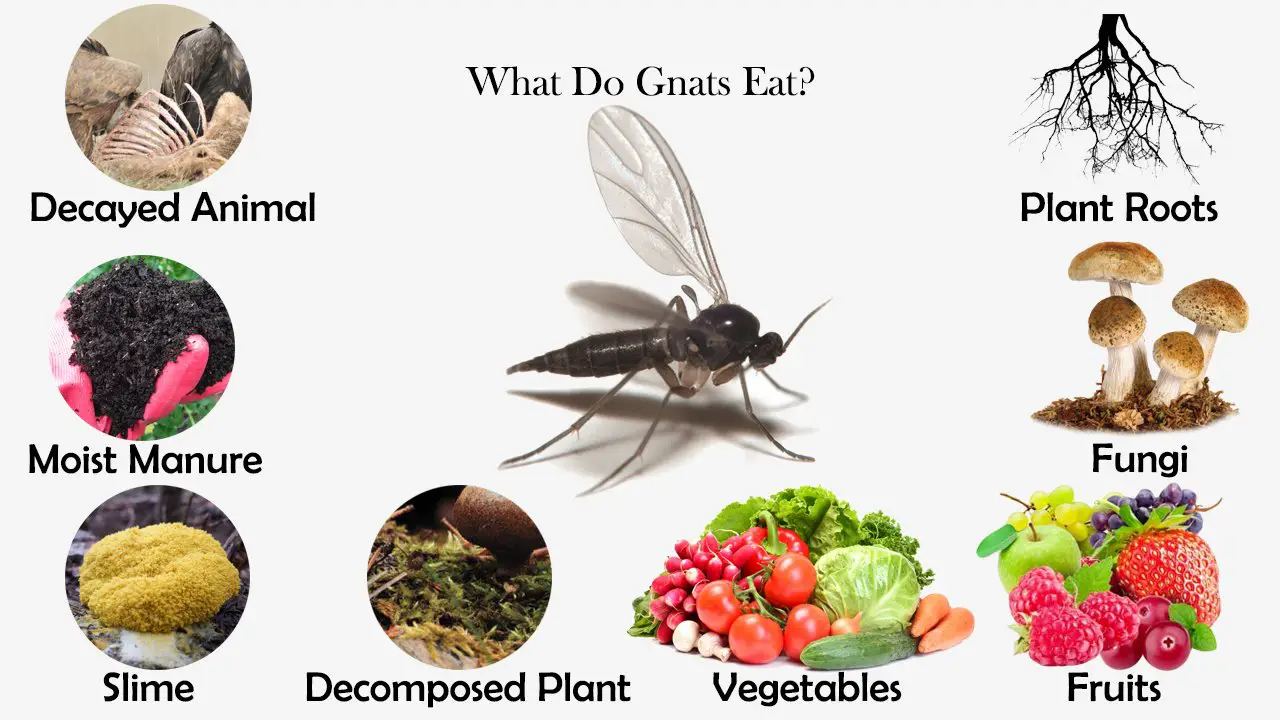 What Do Gnats Eat? - Feeding Nature
Gnat-Proofing Your Kitchen
So, there you have it - a crash course in gnat biology and how to keep them from ruining your food. It's not rocket science, but it does take a little bit of knowledge and effort to outsmart these pesky little creatures. By storing your food properly, covering it up, and using gnat-repelling essential oils, you can keep your snacks safe from these tiny menaces. And remember, a gnat-free kitchen is a happy kitchen - so go ahead, take the necessary precautions, and enjoy your snacks in peace!
In conclusion, gnats might be small, but they can cause big problems if you're not careful. So, the next time you're sitting at home, enjoying a delicious snack, remember to take the necessary precautions to keep these pesky little creatures at bay. And if you do happen to get invaded by a swarm of gnats, just laugh it off and remember - it's all part of the fun of snacking!